
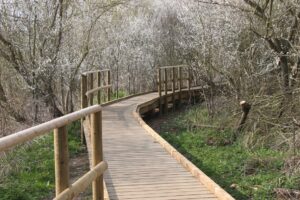
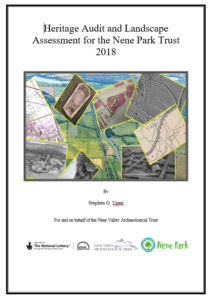
The Walking in Time project at Nene Park Trust aimed to enhance public access to the park’s rich, often hidden, archaeological and heritage features. With a £540,000 budget over five years, the project encompassed a range of initiatives, including a riverside boardwalk, garden restoration, and improved interpretation tools. A central aspect was a heritage audit conducted with the Nene Valley Archaeological Trust (NVAT), providing a thorough understanding of the park’s archaeological significance.

Nene Park’s historical value is largely invisible, limiting visitor engagement. Prior information on these features was scattered and incomplete, constraining the park’s ability to share its heritage. The project focused on improving physical access to key sites and developing a cohesive interpretation strategy to connect visitors with the park’s historical landscape.
The Walking in Time project tackled challenges through research and development, with a key heritage audit led by Dr. Stephen Upex and Nene Park Trust’s Chris Park. This audit consolidated data, including new geophysical surveys, to record the park’s archaeological and landscape features.
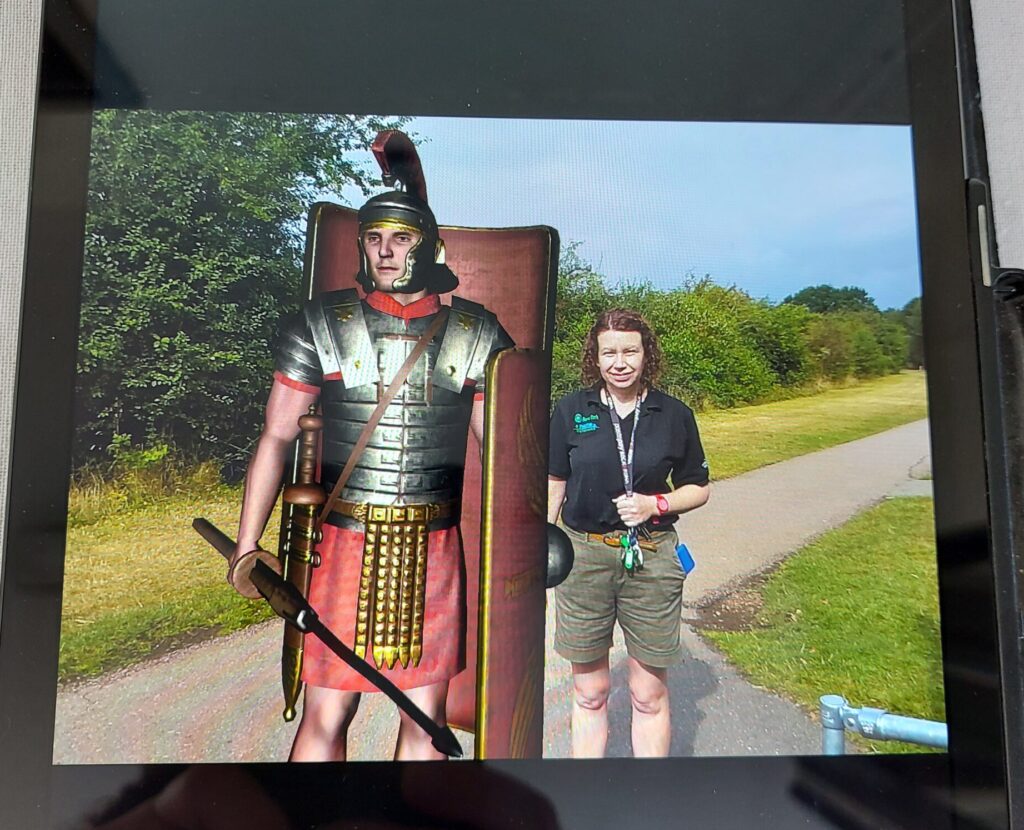
The audit served as the foundation for multiple smaller projects, including the construction of a 750m riverside boardwalk and the restoration of a heritage garden. The project team also developed Nenescape-funded walking trails, guided tours, and a virtual reality experience to bring the park’s hidden history to life for visitors. In addition, the audit played a crucial role in ensuring sensitive land use, such as positioning a new car park to avoid damaging archaeological remains. Even during COVID-19, the team used digital tools to engage the public and ensure the park’s heritage continued to shape its future activities and management.
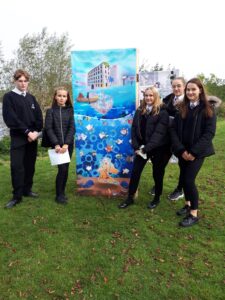


“Inspired by the success of the Walking in Time suite of projects, Nene Park Trust have applied the learning and approach used at the time to many subsequent projects. The Heritage Audit in particular continues to play an important role in advising us of the range and diversity of heritage assets we have within Nene Park, how they could be interpreted, and maybe most importantly, the locations where our heritage is most sensitive, thus where we should avoid when developing the Park. We are certain the Audit will be used whenever we are planning projects, events and interpretation for the foreseeable future. The volunteer-led approach to constructing the new wooden boardwalk as part of Walking in Time has led to volunteers being much more involved in supporting more standalone projects, for example the successful building of Nene Nursery, a new accessible plant nursery at Nene Park. Additionally, the success of the boardwalk improving accessibility within the Park and along the river informed the design and installation of a new landmark bridge at Ferry Meadows which was installed in 2023. Our Walking in Time apprenticeship placements gave Nene Park Trust the confidence and experience to develop new apprenticeship placements alongside new horticultural trainees at Nene Nursery. Another example of taking lessons learnt is the restoration of Heron Meadow, which has been reproduced through the creation of wetland within a new project further upstream at West Holmes. Opportunities to host and develop Walking in Time heritage events and cultural projects, including the Rivers of the World schools project and 900 Voices, allowed us to develop skills and resources that have supported the development of a new events programme and an Art-In-The-Park programme.”


The Walking in Time project successfully increased access to the historical richness of Nene Park, both physically and intellectually. The detailed heritage audit not only provided a foundation for future archaeological investigations but also enhanced visitor engagement through interpretative tools such as trails, augmented reality, and tours. By balancing preservation with accessibility, the project ensured that the park’s invisible heritage became a visible and valuable asset for both the public and the Nene Park Trust’s long-term planning. 

