
The Nene Rivers Trust has delivered a suite of projects from small community-scale campaigns to award-winning schemes.

The Problem of Flooding at Penvale Park
Penvale Park is an open green space nestled in East Hunsbury, which serves as a hub for recreation as well as leisure activities such as outdoor yoga, tai chi, and dog walking. However, this beauty was overshadowed by a persistent problem – flooding.
Caroline Holgate, Clerk to East Hunsbury Parish Council, recounts how the park, with a brook running through its centre and houses lining either side, would become a flooding hotspot following heavy rain.
“Following a heavy downpour, surface water would become an issue and has been known to flood into neighbouring gardens and some homes,” Caroline explained. “Following a recent flood event, we were aware that some homeowners couldn't use their kitchens for months, and we were keen to identify a solution to help put residents’ minds at rest.”
In the last 20 years, internal flooding was reported at least three times, leaving residents on tenterhooks every time rain was forecast. The emotional toll meant some members of the neighbouring community were worried that their homes would be inundated again. As the new owners of the park, following its transfer from Northampton Borough Council, the parish council felt a responsibility to take action.
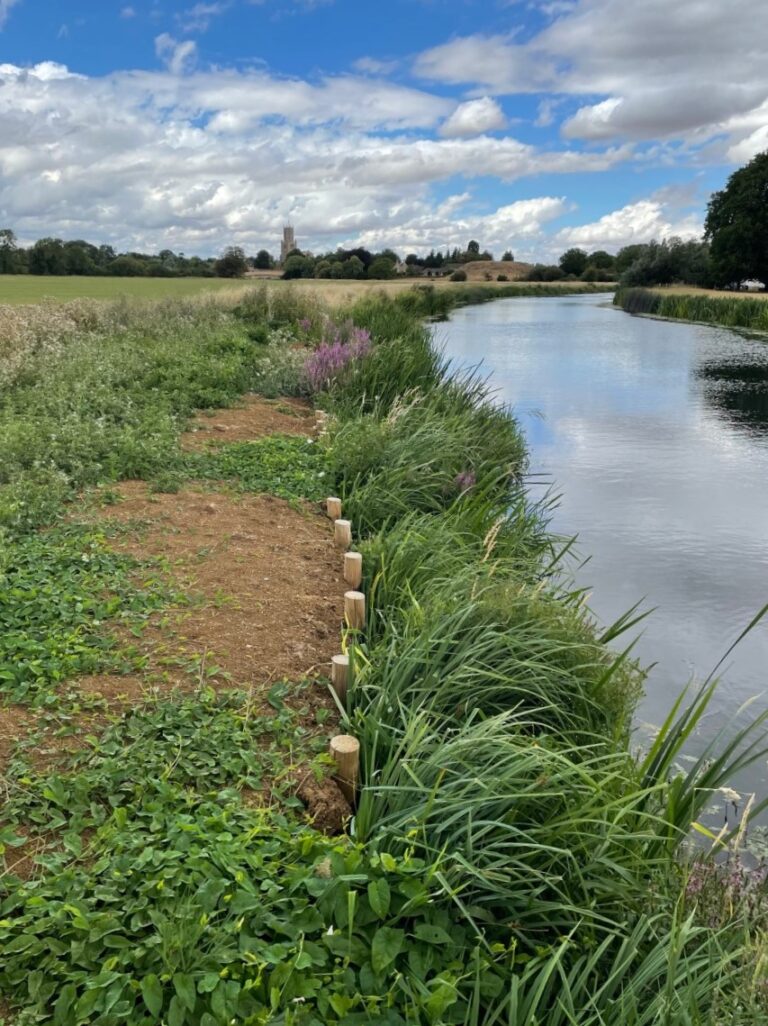
The project at Fotheringhay Backwater benefits fish, invertebrates, aquatic birds and the local fauna,
diversifying the river habitat through an urban stretch. The project contributes to delivery of Water
Frame Directive, improving the ecological status of the river. It will also help the EA deliver the Eel
Management Plan and meet its statutory obligations under the Eel Regulations.
• Increase refuge and spawning habitats for fish.
• Increase and diversify marginal habitats in an urban environment.
• Reduce sediment pollution caused by localised erosion.

The project at Whitworths Mill benefits fish, invertebrates, aquatic birds and the local fauna, diversifying
the river habitat through an urban stretch. The project contributes to delivery of Water Frame Directive,
improving the ecological status of the river. It will also help the EA deliver the Eel Management Plan and
meet its statutory obligations under the Eel Regulations.
• Increase and diversify marginal habitats in an urban environment.
• Provide shade over the water to improve cover for fish and reduce water temperature.
• Increase refuge and spawning habitats for fish.
• Improve the aesthetic of the urban environment, “greening” the hard and grey banks.
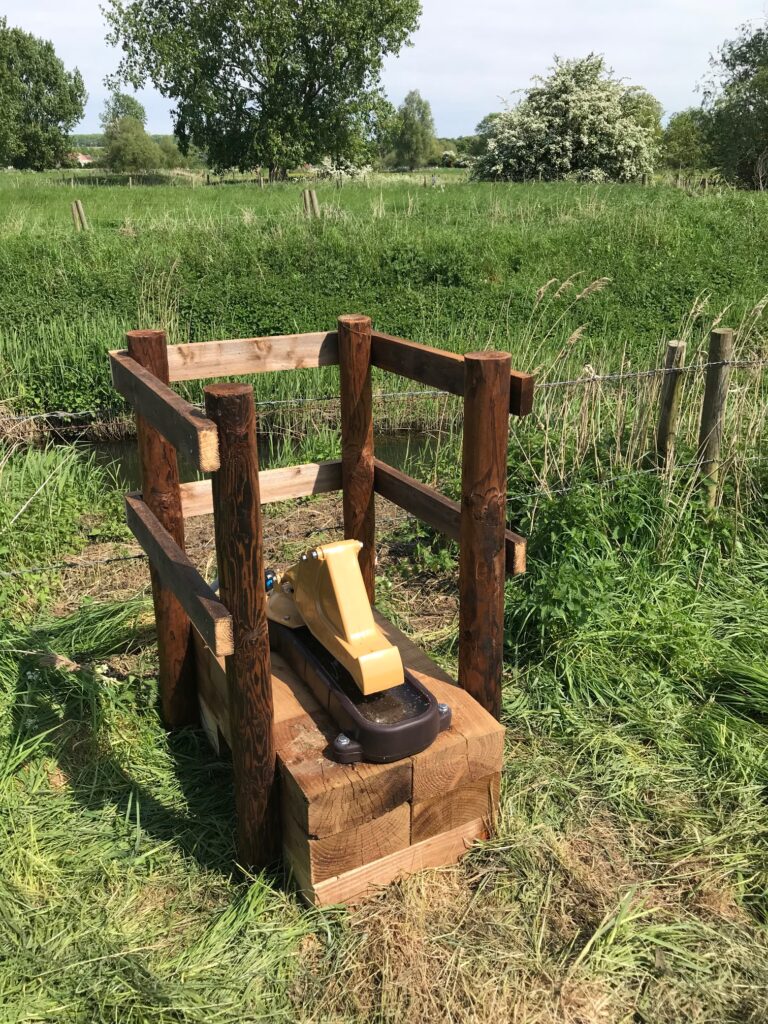
Elton backchannel proposed a number of enhancement opportunities with the primary focus of the
project being to repair the heavily damaged ford. This project will benefit fish, other wildlife including
otters and diversify the river habitats. The Project contributes to delivery of Water Frame Directive,
improving the ecological status of the river. It will also help the EA deliver the Eel Management Plan and
meet its statutory obligations under the Eel Regulations.
• Reduce fine sediment inputs at the ford caused by cattle poaching by reprofiling and grass
seeding the eroded banks; re-stoning the access ramps; and installing post and rail fencing and
gates to cattle control access to and across the back channel.
• Prevent future erosion by erecting livestock exclusion fencing.
• Install pasture pumps to provide cattle access to a water supply.
• Increase shade and reduce the growth rate of emergent weed beds by new tree planting.

White Mills lock backchannel proposed a number of enhancement opportunities with the primary focus of the project being to repair the eroded bank. This project will benefit fish, other wildlife including otters and diversify the river habitats. The Project contributes to delivery of Water Frame Directive, improving the ecological status of the river. It will also help the EA deliver the Eel Management Plan and meet its statutory obligations under the Eel Regulations.
