
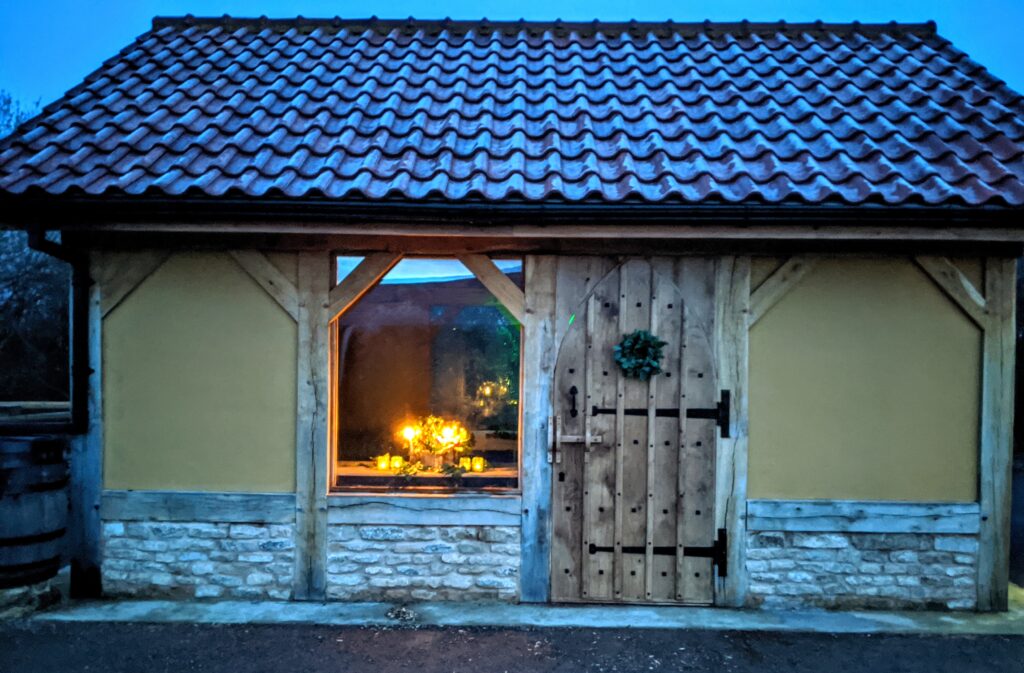
The Settlers of the Nene Valley project, run by the Rockingham Forest Trust, sought to showcase the rich heritage of Stanwick Lakes and the wider Nene Valley. A centerpiece of the project was the construction of a unique barn that highlighted traditional building techniques spanning the last 5,000 years. With a budget of just under £200,000, the project involved collaboration with volunteers, technical experts, and community members. Despite challenges, such as the COVID-19 pandemic, the project was successfully completed, creating a space for learning, engagement, and historical interpretation.
In the 1980s, large-scale archaeological investigations during gravel quarrying at Stanwick Lakes uncovered vast amounts of historical data that remained largely unused. The challenge was to bring this information to life, making it accessible and engaging for the local community and visitors. Additionally, while previous heritage crafts projects were successful, there was an opportunity to further expand on this by creating a physical structure—a barn—that could serve as a focal point for the community and demonstrate a range of building techniques across different historical periods.
 The solution to these challenges was the Settlers of the Nene Valley project, which focused on both living history and hands-on skill development. The key feature was the construction of a traditional community-built barn, incorporating Roman pantile roof tiles, medieval wooden frames, and bricklaying techniques. The design evolved organically, with the project team working closely with volunteers and local experts. The build engaged various community members, including a skilled ranger, bricklayers, woodcarvers, and even crafting groups, who contributed mosaics and other design elements.
When the COVID-19 pandemic struck, the team adapted by moving educational resources online and working in small, socially distanced groups outdoors. This flexibility allowed the project to continue, ensuring community involvement despite restrictions. Throughout the process, the team adopted an experimental approach, learning and adapting as they went, which fostered a collaborative and innovative environment.
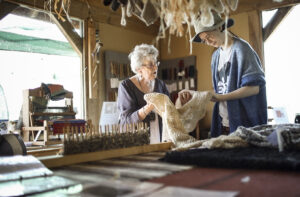
The Heritage Craft Barn was originally used as a community space for meetings, exhibitions and craft courses and soon became a natural focal point for Heritage events and visitors.
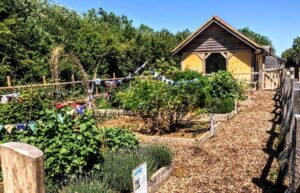
The barn is now home to the Northants Guild of Spinners Weavers and Dyers who have been researching and experimenting with ancient textile techniques. This volunteer group have been using the barn as a learning hub, working on creating replica Iron Age clothing by hand with traditional techniques. They have worked with the Heritage Gardeners from the Settlers of the Nene Valley project to help develop the garden to include plants and flowers for natural dyeing, which have been used for the textile project too. This has created a wonderful legacy for the barn and the volunteer teams. The Guild run open door sessions every Wednesday and fourth Sunday of the month, encouraging visitors to have a go at ancient textile crafts.
The Settlers of the Nene Valley project successfully brought historical heritage to life through community engagement, craftsmanship, and innovation. The barn has become a key focal point at Stanwick Lakes, offering a space for historical interpretation, crafts, and education. The bravery and experimental approach of the project team, combined with the dedication of volunteers, contributed to the project’s success. The barn, along with its surrounding gardens, continues to be a community resource, enhancing awareness of the area’s rich archaeological history while fostering ongoing engagement in heritage activities.


