Case Study: Elton Backchannel
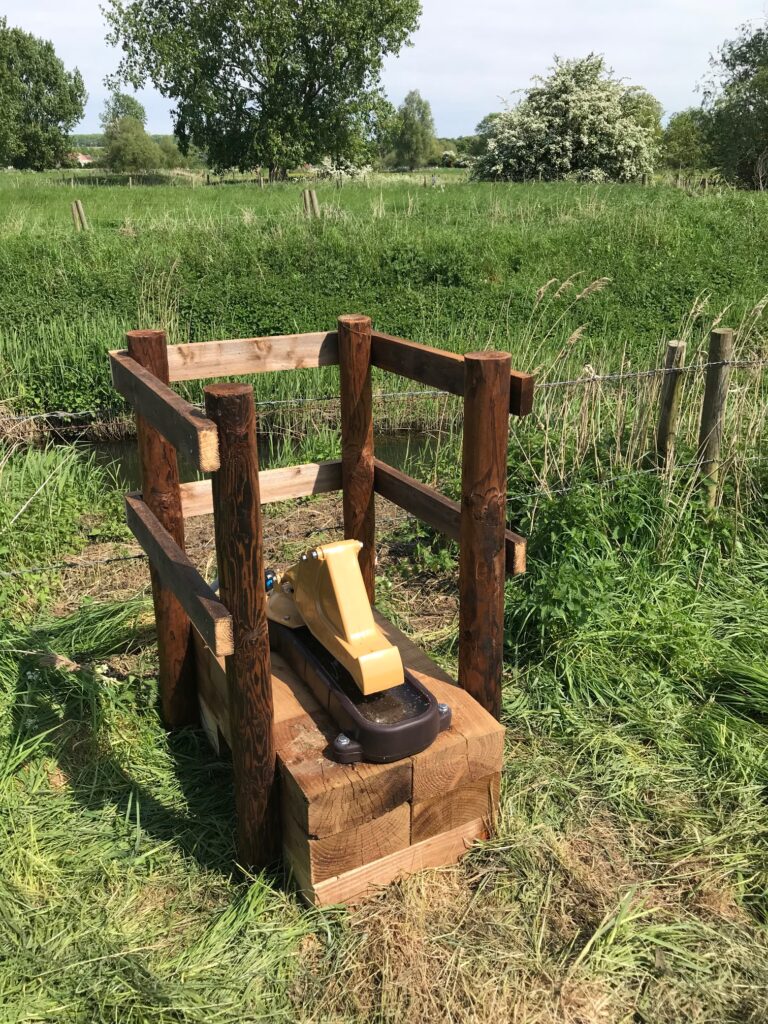
Elton Backchannel Pump

Project

Resilient River

Partners

National Lottery Heritage Fund
Environment Agency
Nene Valley Catchment Partnership
Nenescape LP
Peterborough & District Angling Association
Elton Estates

OBJECTIVES

Elton backchannel proposed a number of enhancement opportunities with the primary focus of the
project being to repair the heavily damaged ford. This project will benefit fish, other wildlife including
otters and diversify the river habitats. The Project contributes to delivery of Water Frame Directive,
improving the ecological status of the river. It will also help the EA deliver the Eel Management Plan and
meet its statutory obligations under the Eel Regulations.
• Reduce fine sediment inputs at the ford caused by cattle poaching by reprofiling and grass
seeding the eroded banks; re-stoning the access ramps; and installing post and rail fencing and
gates to cattle control access to and across the back channel.
• Prevent future erosion by erecting livestock exclusion fencing.
• Install pasture pumps to provide cattle access to a water supply.
• Increase shade and reduce the growth rate of emergent weed beds by new tree planting.

OUR SOLUTION

  • Remedial work to the ford
    Remedial work was completed on the ford to reduce fine sediment and nutrient inputs as a result of
    cattle crossing and congregating on the ford.
  • Installing Pasture Pumps
    Due to the fencing of the ford and new fence line running along the length of the river a new water
    supply was required on the left-hand bank.
  • Tree planting
    Prior to the project, there was limited tree stock throughout the reach, so 20 native trees and shrubs
    were planted along the right bank to, once mature, increase shade.
  • Fencing
    The post and barbed wire fencing was previously in poor condition on the right bank and in places had
    collapsed. A new fence line was erected 1m back from the original line, the fencing was upgraded to 3
    strands of barbed wire to minimise cattle damage and reduce the likelihood cattle would attempt to
    breach it.

Share this case study

Email
Facebook
Twitter
LinkedIn
WhatsApp